
Bikaner: The Camel City of Rajasthan, A Complete Travel Guide

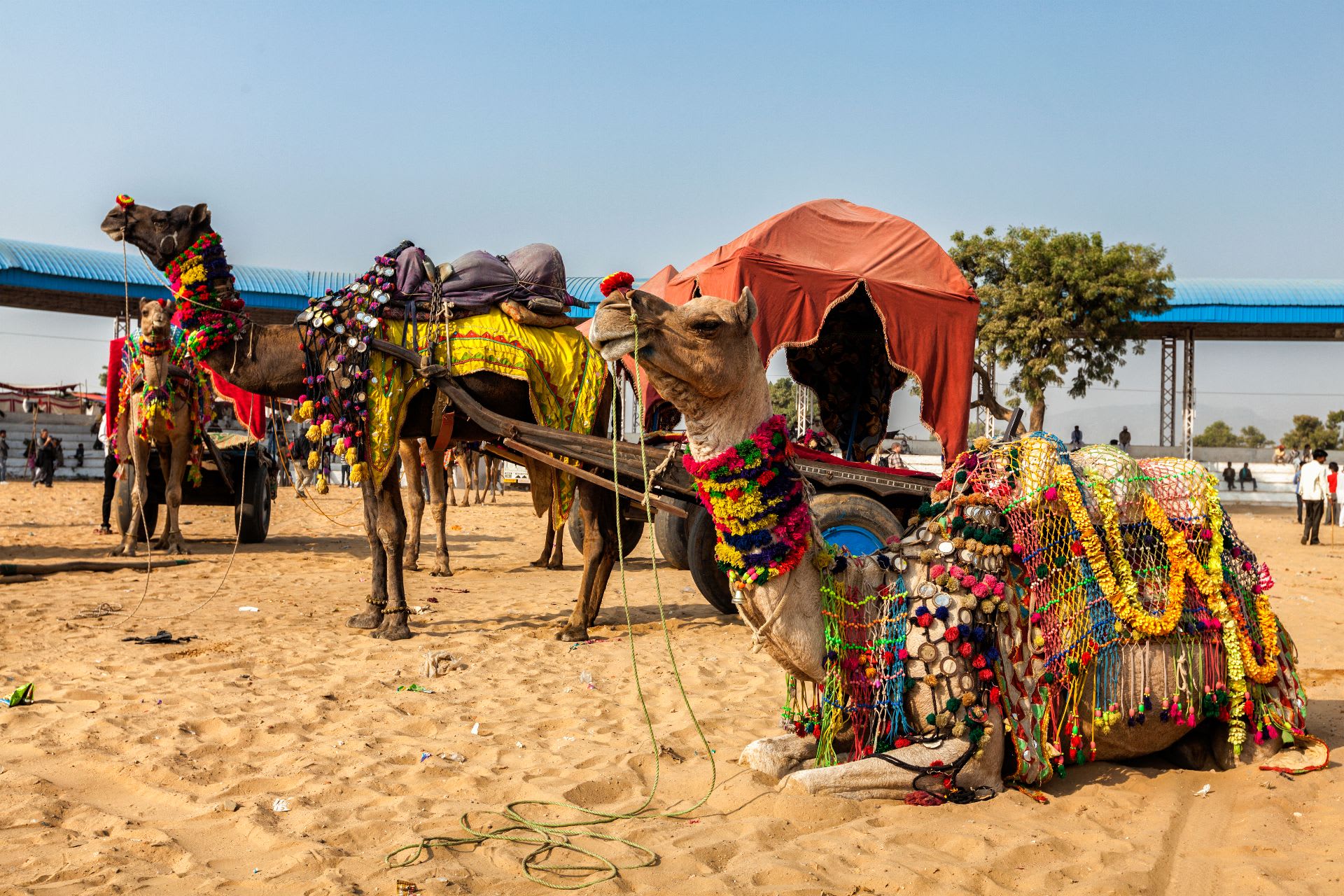
Rajasthan is a land of forts, deserts, and timeless traditions, and Bikaner is one of its most fascinating, yet underrated, destinations. Nestled deep in the Thar Desert in northwestern Rajasthan, Bikaner is popularly called the Camel City of Rajasthan, famous for its thriving camel-breeding culture, magnificent Rajput architecture, lip-smacking bhujia, and one of the most unique and spiritually significant temples in India. Whether you are a spiritual seeker, history buff, food lover, or adventure traveller, Bikaner offers a rich and rewarding experience that stays with you long after you leave.
Karni Mata Temple: The Crown Jewel of Bikaner
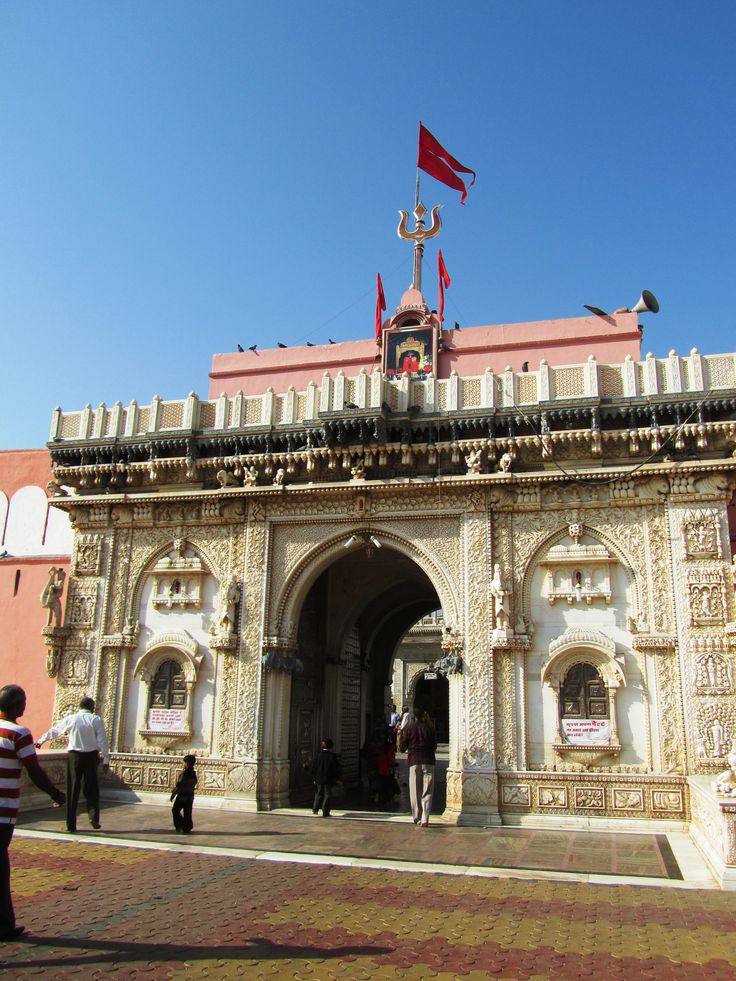
No visit to Bikaner is complete without experiencing the legendary Karni Mata Temple, located about 30 km from the city in the small town of Deshnok. This extraordinary temple is unlike any other sacred site in the world — and that is precisely what makes it unmissable.
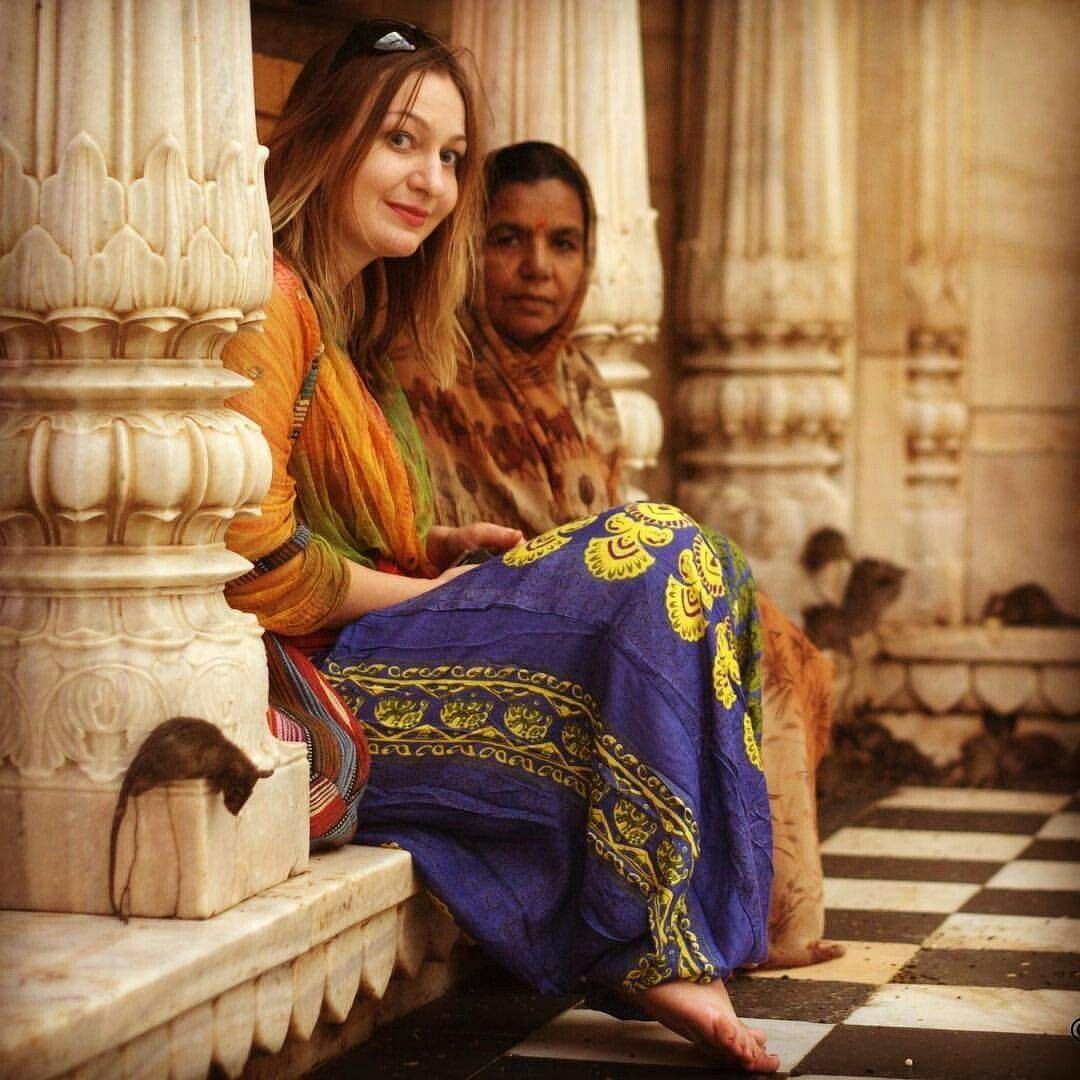
Karni Mata, a 14th-century mystic revered as an incarnation of Goddess Durga, is the presiding deity of this temple. But what truly sets this place apart is the approximately 20,000 black rats, known as kabas, that freely roam the temple premises. Far from being considered pests, these rats are treated as sacred beings, believed to be the reincarnated souls of devotees and relatives of Karni Mata. Feeding them is considered a holy act, and spotting a rare white rat among them is thought to bring extraordinary good luck and blessings.
What to Expect at Karni Mata Temple
The architecture is stunning: a white marble façade with intricately carved silver doors gifted by Maharaja Ganga Singh
Devotees come from across Rajasthan, especially during the two major annual fairs held in October and March
Marble floors are open to walk barefoot, though many visitors wear socks as a courtesy
Photography is permitted, making it a popular spot for travellers documenting unique cultural experiences
Temple hours: Open from early morning, around 4:00 AM to 10:00 PM daily
Visiting the Karni Mata Temple is not just a religious act — it is a one-of-a-kind, humbling experience that challenges your perceptions and connects you deeply with the cultural soul of Rajasthan.
Top Places to Visit in Bikaner
1. Junagarh Fort
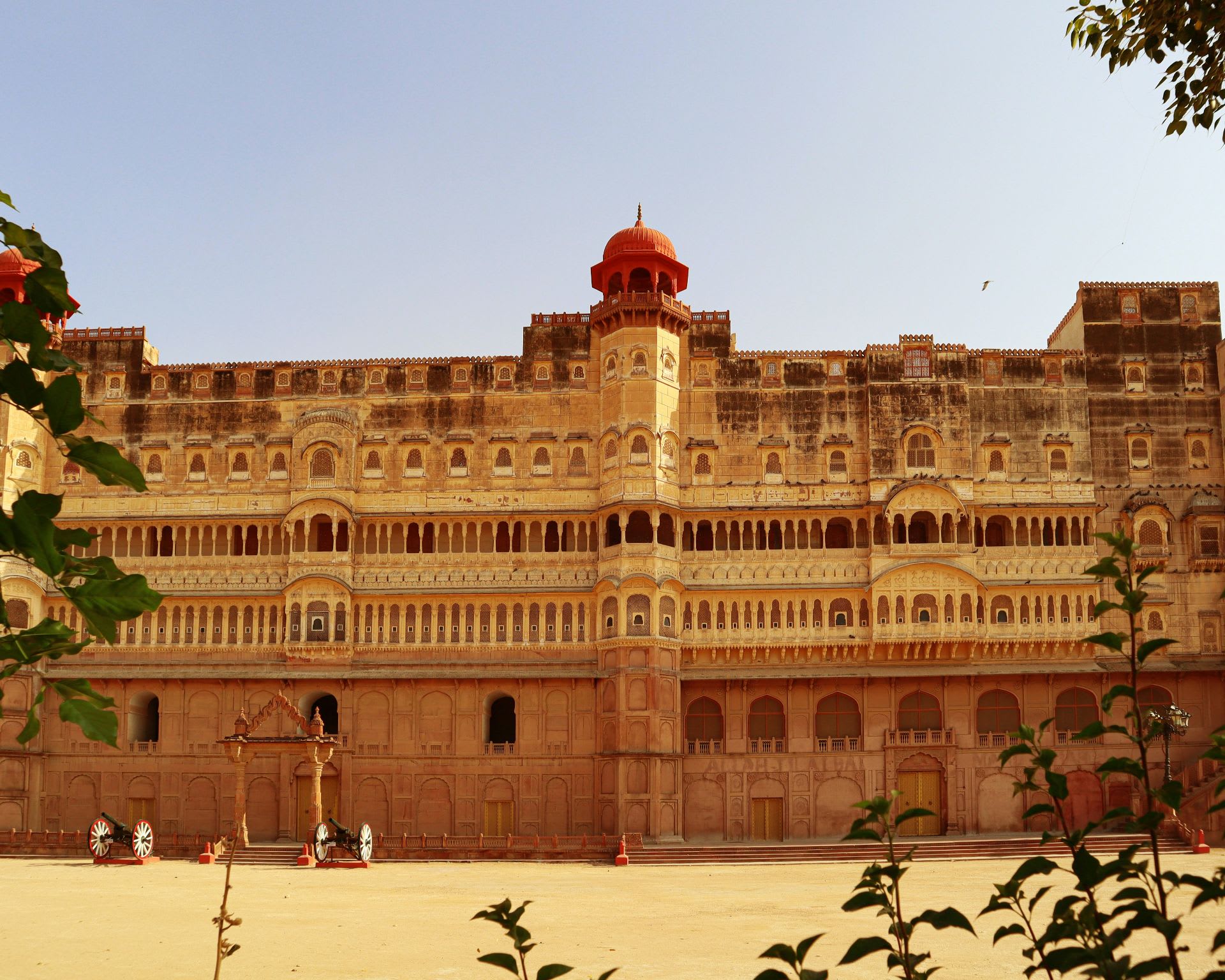
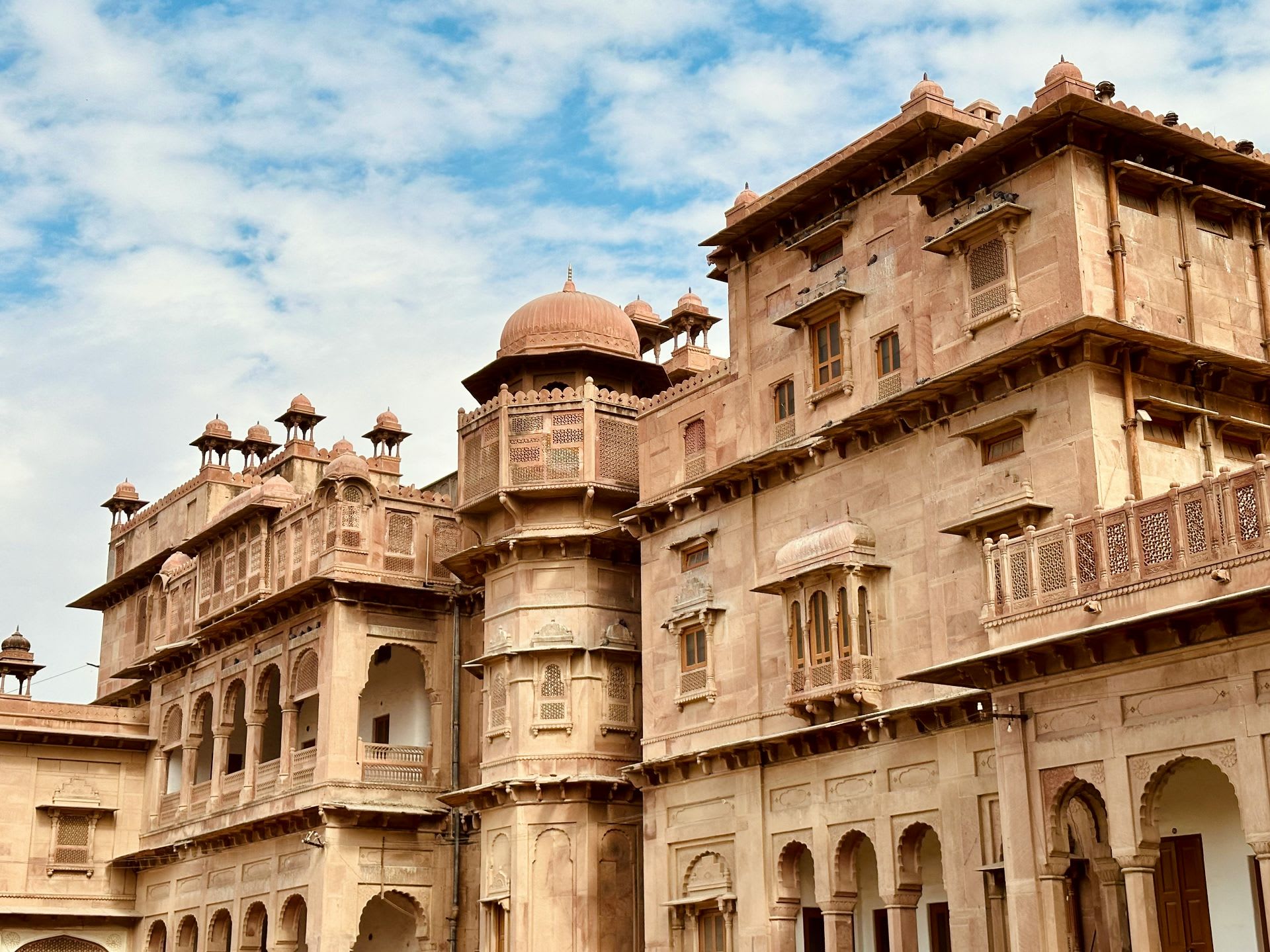
Built in 1588 by Raja Rai Singh, Junagarh Fort is one of the few major forts in Rajasthan that was never conquered. Its 37 palaces, temples, and pavilions are a treasure trove of Rajput, Mughal, and European architectural influences. The museum inside houses royal artefacts, vintage aircraft, and rare manuscripts.
2. Lalgarh Palace
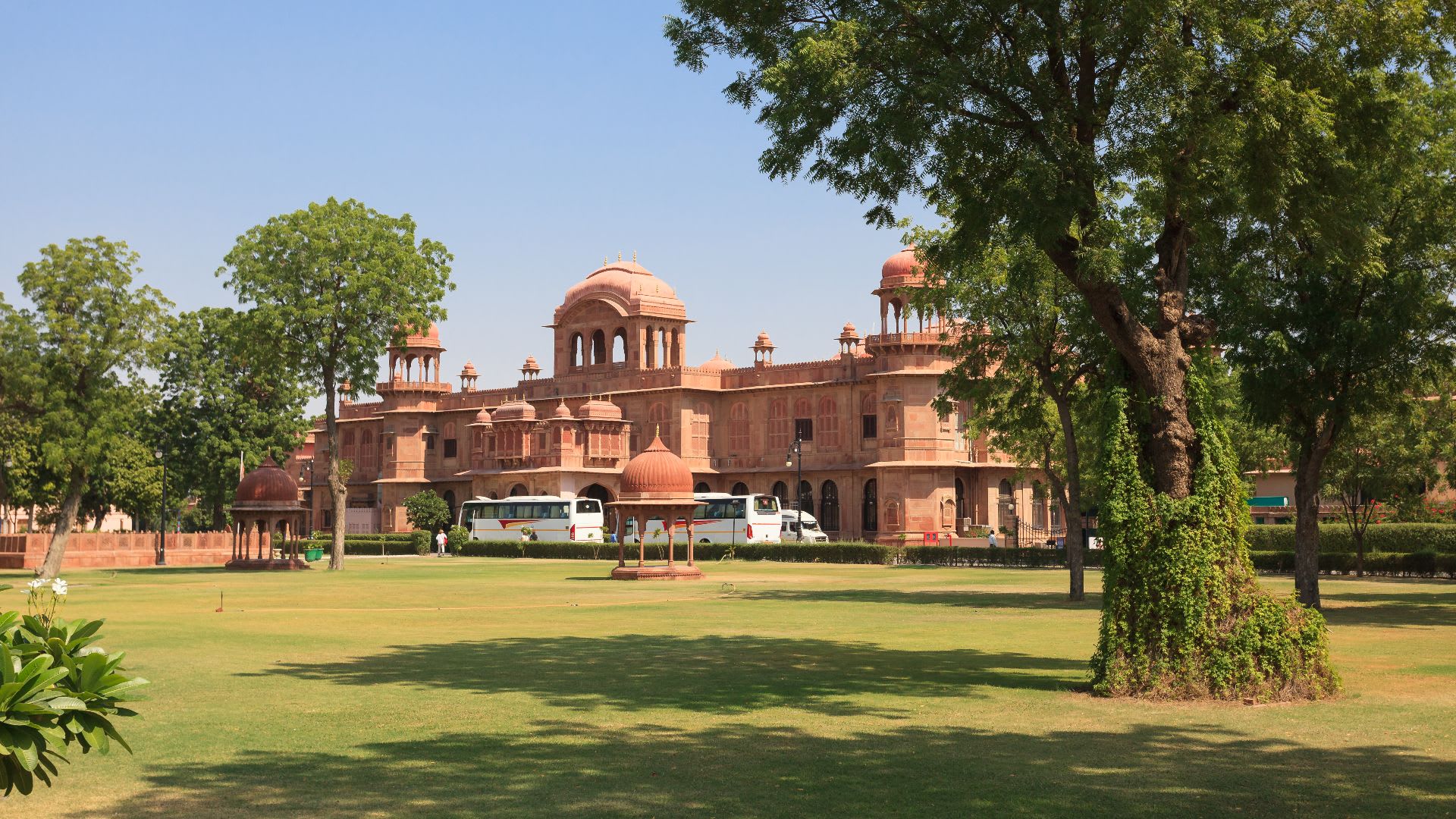
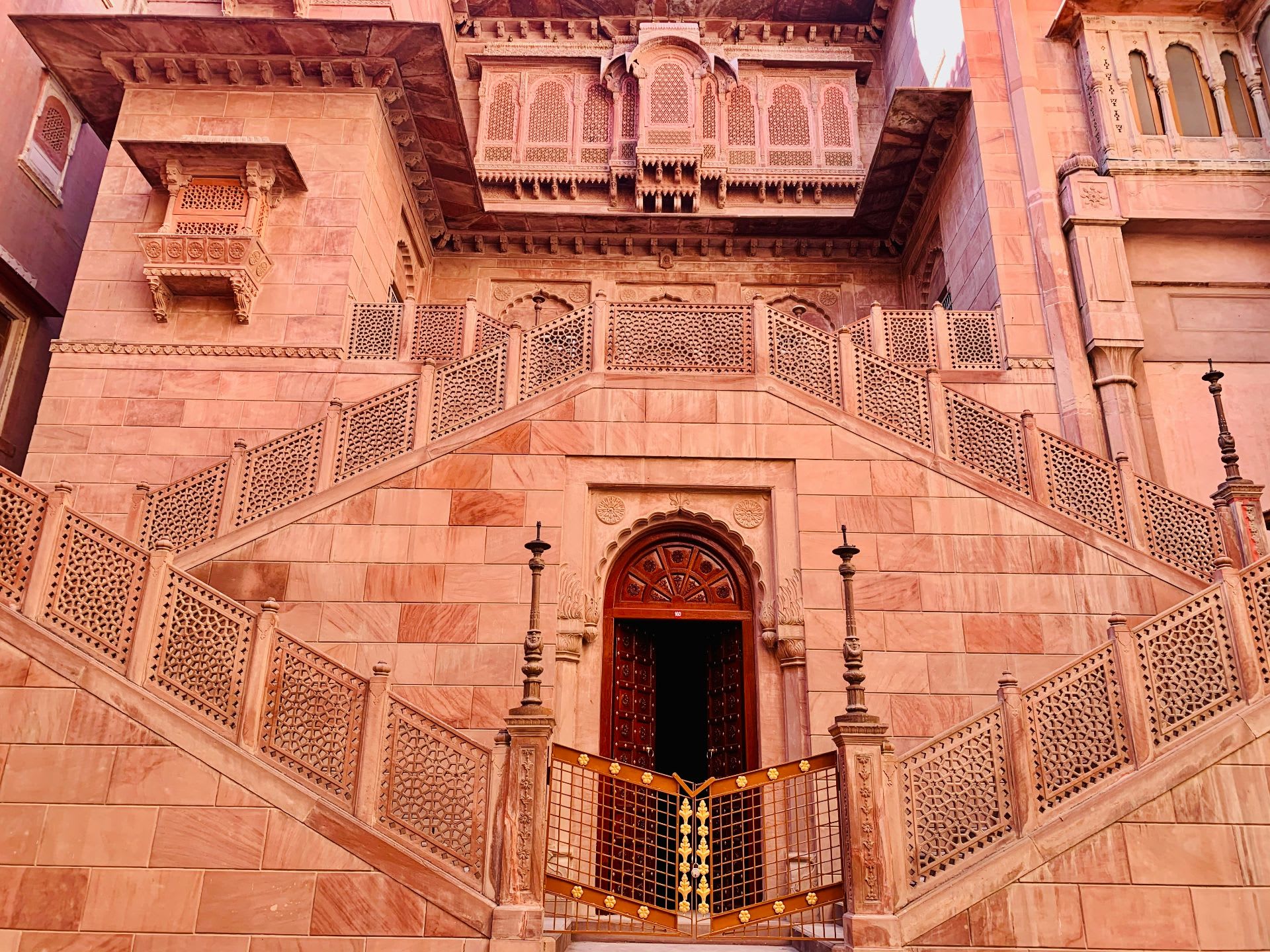
A magnificent red sandstone palace built in the early 20th century, Lalgarh Palace blends Rajput, Mughal, and European architecture effortlessly. A part of it now operates as a heritage hotel, while another section houses the Shri Sadul Museum with royal photographs and memorabilia.
3. Rampuria Haveli
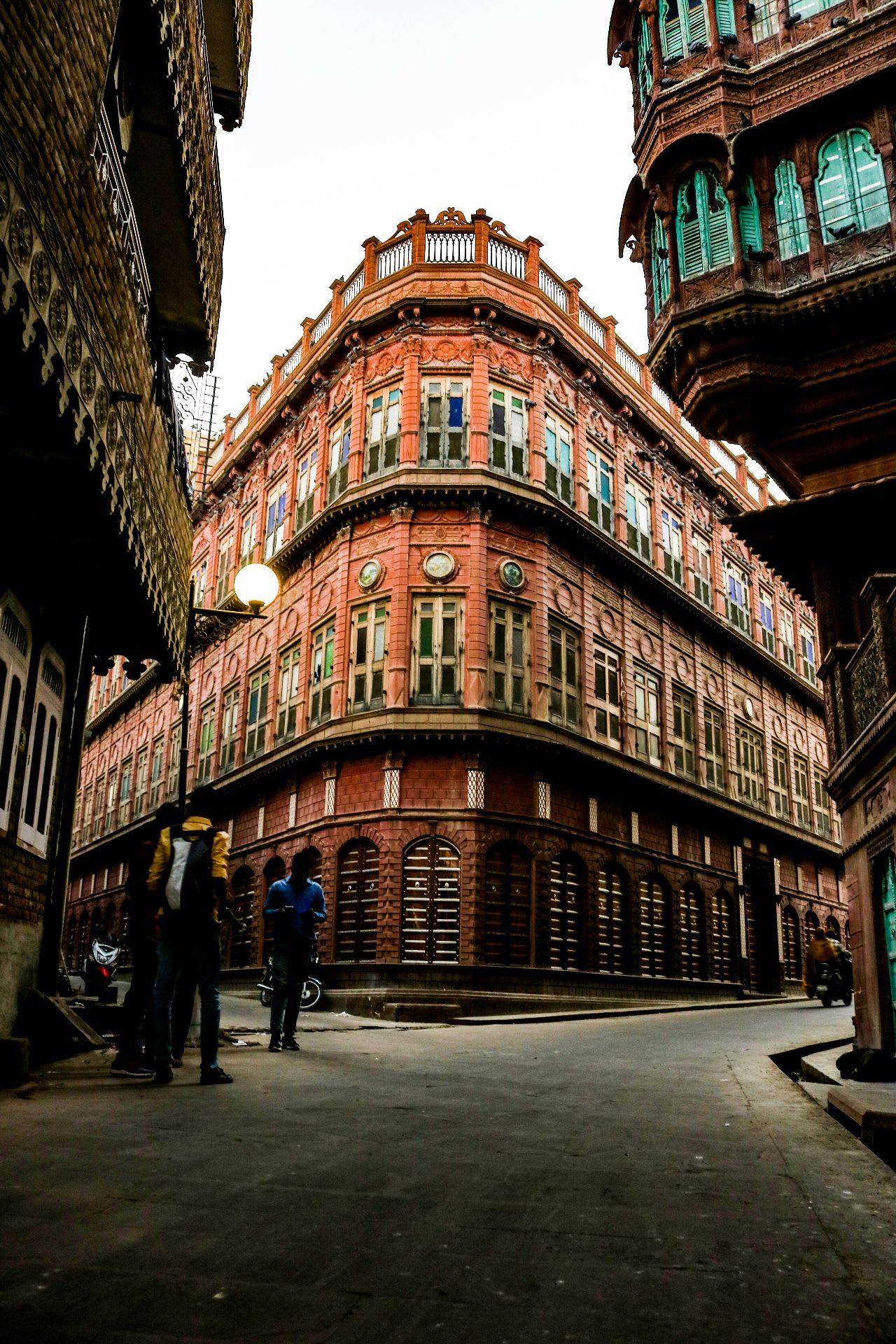
The Rampuria Street in the old city is lined with some of the finest havelis in Rajasthan. These 19th and early 20th-century merchants' mansions boast intricate sandstone carvings, beautifully painted facades, and a warm golden glow that makes for incredible photography.
4. Gajner Wildlife Sanctuary
Located 32 km from the city, this serene sanctuary sits around the Gajner Lake and is home to nilgai, blackbuck, chinkara, wild boar, and a variety of migratory birds. The heritage Gajner Palace here is one of Rajasthan's hidden gems.
5. Shiv Bari Temple
Dedicated to Lord Shiva, this temple sits amidst a lush garden and features a beautiful shikhara-style architecture. It is a peaceful retreat away from the city's hustle.
National Research Centre on Camel (Camel Farm)
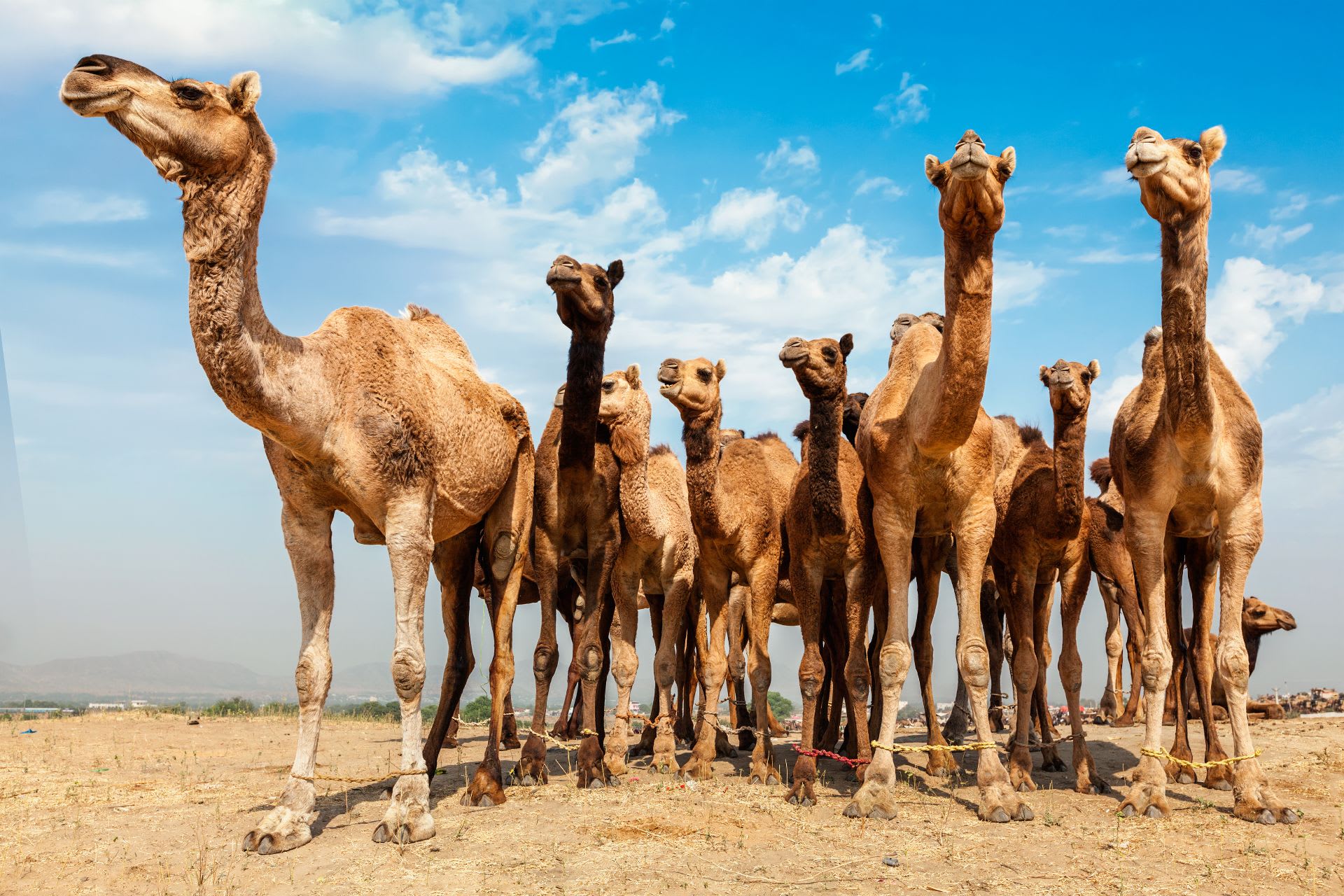
For a truly unique Bikaner experience, visit the National Research Centre on Camel, commonly known as the Camel Farm, located just 8 km from the city centre. Managed by the Indian Council of Agricultural Research (ICAR), this is one of the largest camel research facilities in Asia.
Here you can:
See several breeds of camels, including the famous Bikaneri camel, bred for heavy loads
Watch camel milking demonstrations and even taste fresh camel milk and camel milk ice cream
Learn about camel husbandry, health research, and their role in Rajasthani culture
Enjoy a short camel safari on the premises
The Camel Farm is open from 2:00 PM to 5:00 PM on weekdays and is best visited in the late afternoon. A small entry fee applies.
Top Things to Do in Bikaner
Camel Safari: Explore the surrounding dunes on a traditional camel ride at sunset — a truly magical experience
Visit Karni Mata Temple at Deshnok: A spiritual and cultural must-do (detailed above)
Explore Junagarh Fort: Walk through centuries of Rajput glory in one afternoon
Stroll through the Old City: Lose yourself in the narrow lanes, colourful bazaars, and magnificent havelis
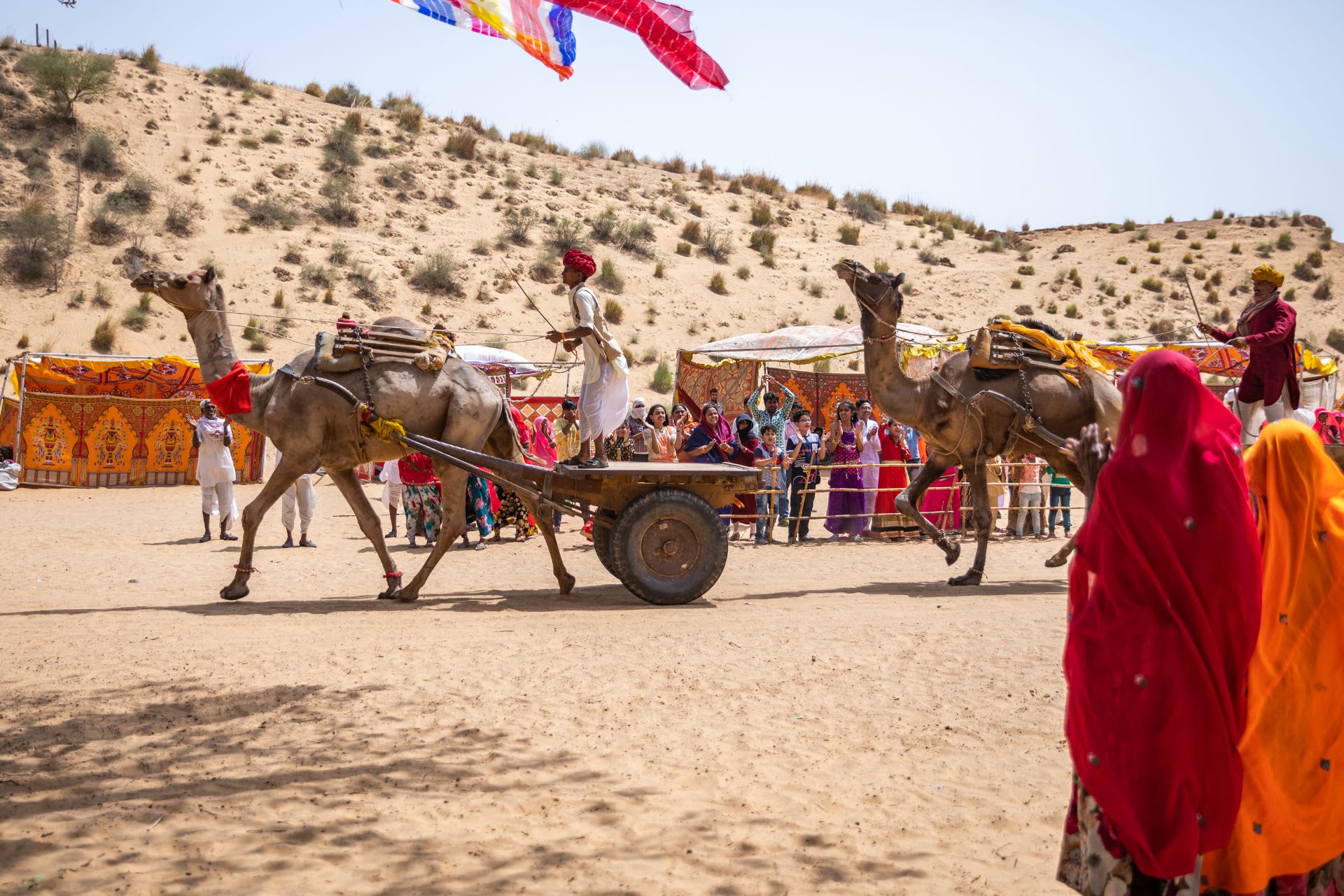
Attend the Bikaner Camel Festival: Held every January, this vibrant event features camel races, folk music, Rajasthani dances, and more — a traveller's paradise
Try Local Cooking Classes: Several guesthouses and travel agencies offer hands-on Rajasthani cooking experiences
Local Adventure
Where to Shop in Bikaner
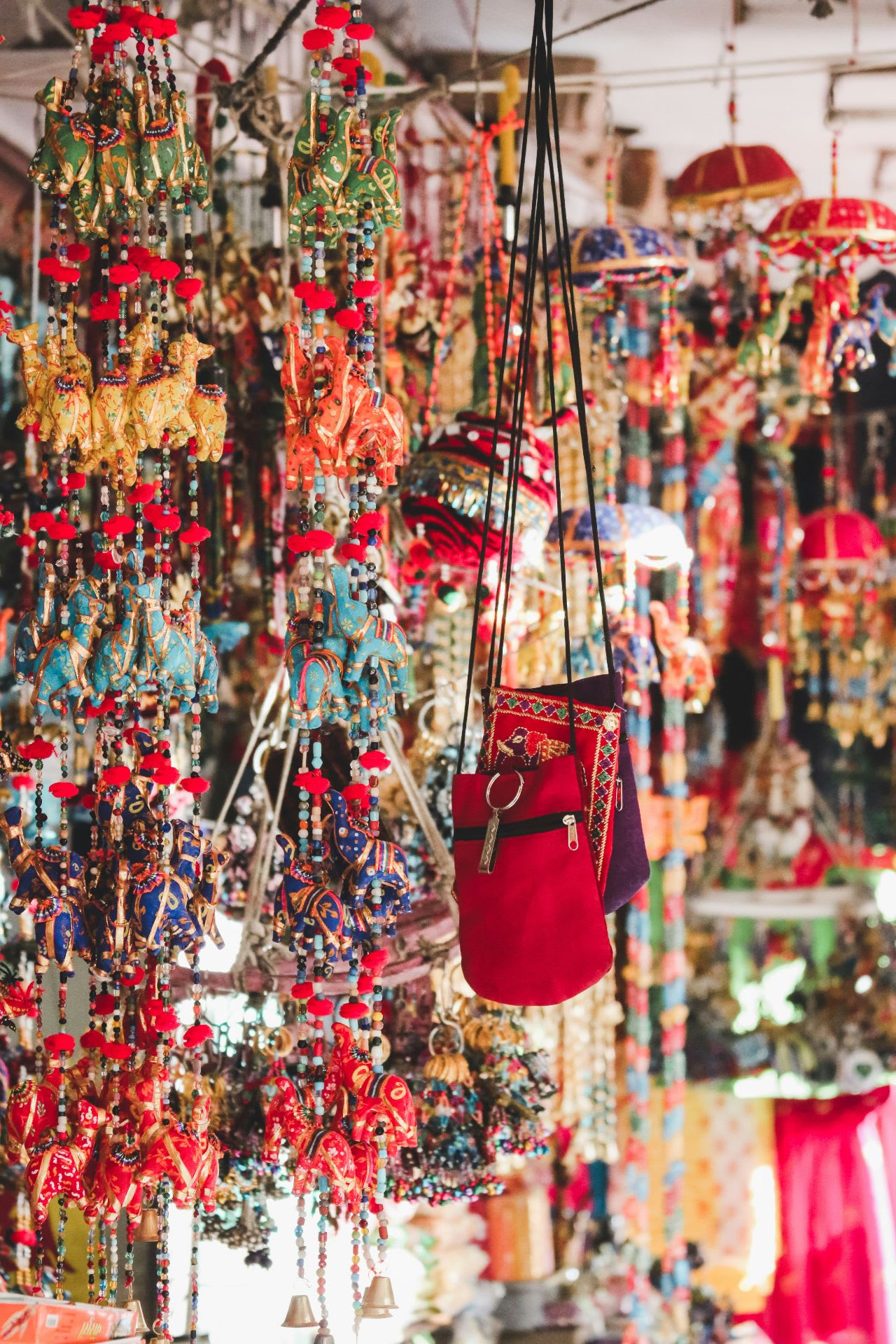
Bikaner's markets are lively, colourful, and full of authentic Rajasthani crafts. Head to the Station Road Market and Kote Gate Bazaar for the best shopping.
Top things to buy:
Bikaner Bhujia and Namkeen — the city's most famous export, available fresh at shops like Haldiram's Bikaner and Bikanervala
Woollen blankets and shawls — known for their warmth and intricate weaves
Lacquerware and miniature paintings — beautiful traditional artisan work
Silver jewellery — Bikaner silversmiths are legendary across Rajasthan
Camel leather products — bags, wallets, and shoes made from local camel hide
Local Market
Food in Bikaner: A Culinary Delight
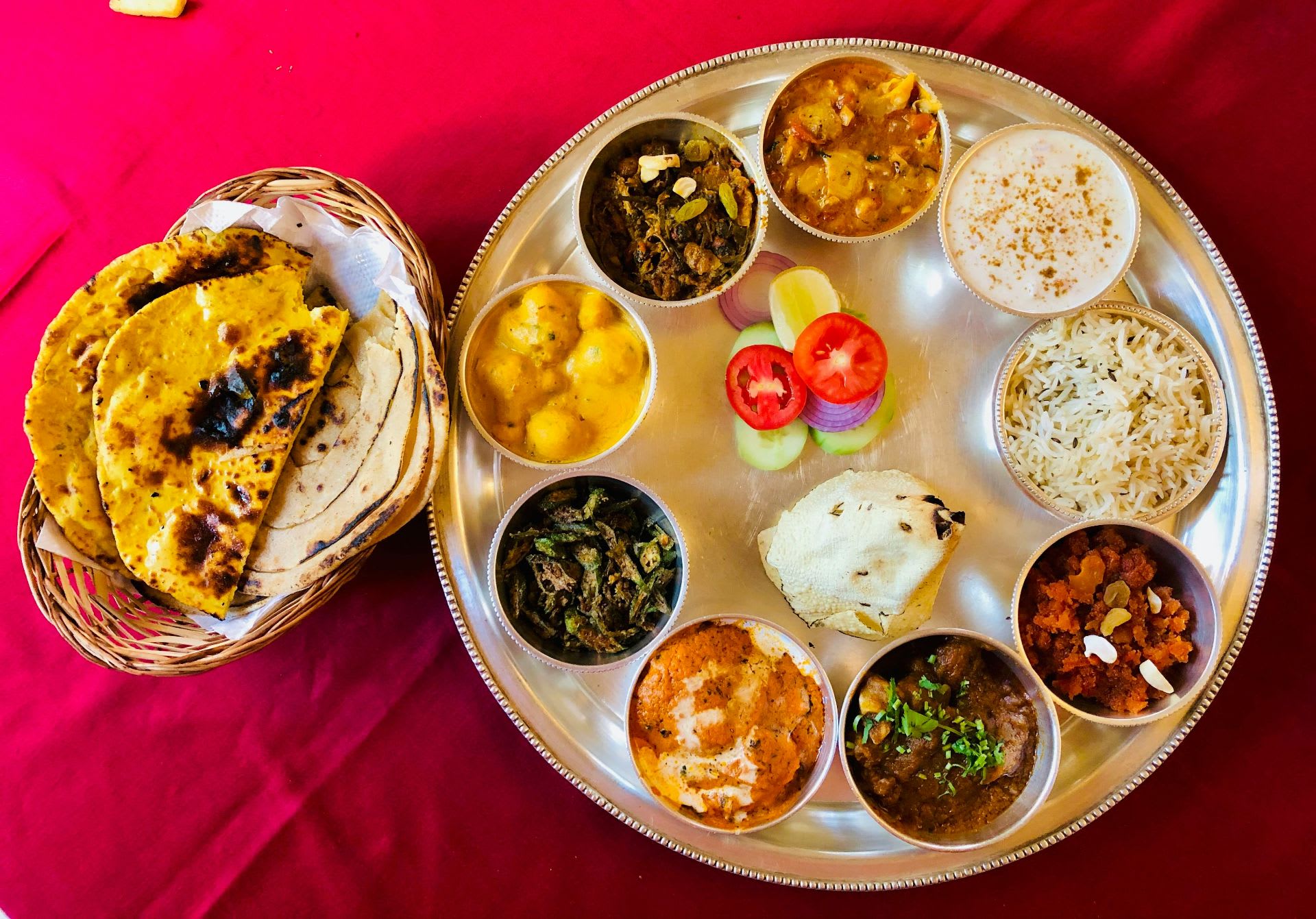
Bikaner's food culture is a highlight of any visit. The city is particularly famous for:
Bhujia: crispy gram flour noodles seasoned with spices; try it fresh from local factories
Rasgulla and Ghevar: traditional sweets best enjoyed at old-city sweet shops
Dal Baati Churma: the quintessential Rajasthani thali dish
Kachori with sabzi: a street breakfast staple in the old city lanes
Camel milk chai: a novelty worth trying near the Camel Farm
For dining, try Heeralal Restaurant, Amber Restaurant, and the rooftop cafes near Junagarh Fort for a good mix of Rajasthani and North Indian cuisine.
How to Reach Bikaner
By Air: The nearest airport is Nal Airport (BKB), though it handles limited flights. Jaipur International Airport (about 330 km away) is a more practical option with better connectivity, followed by a road or rail journey.
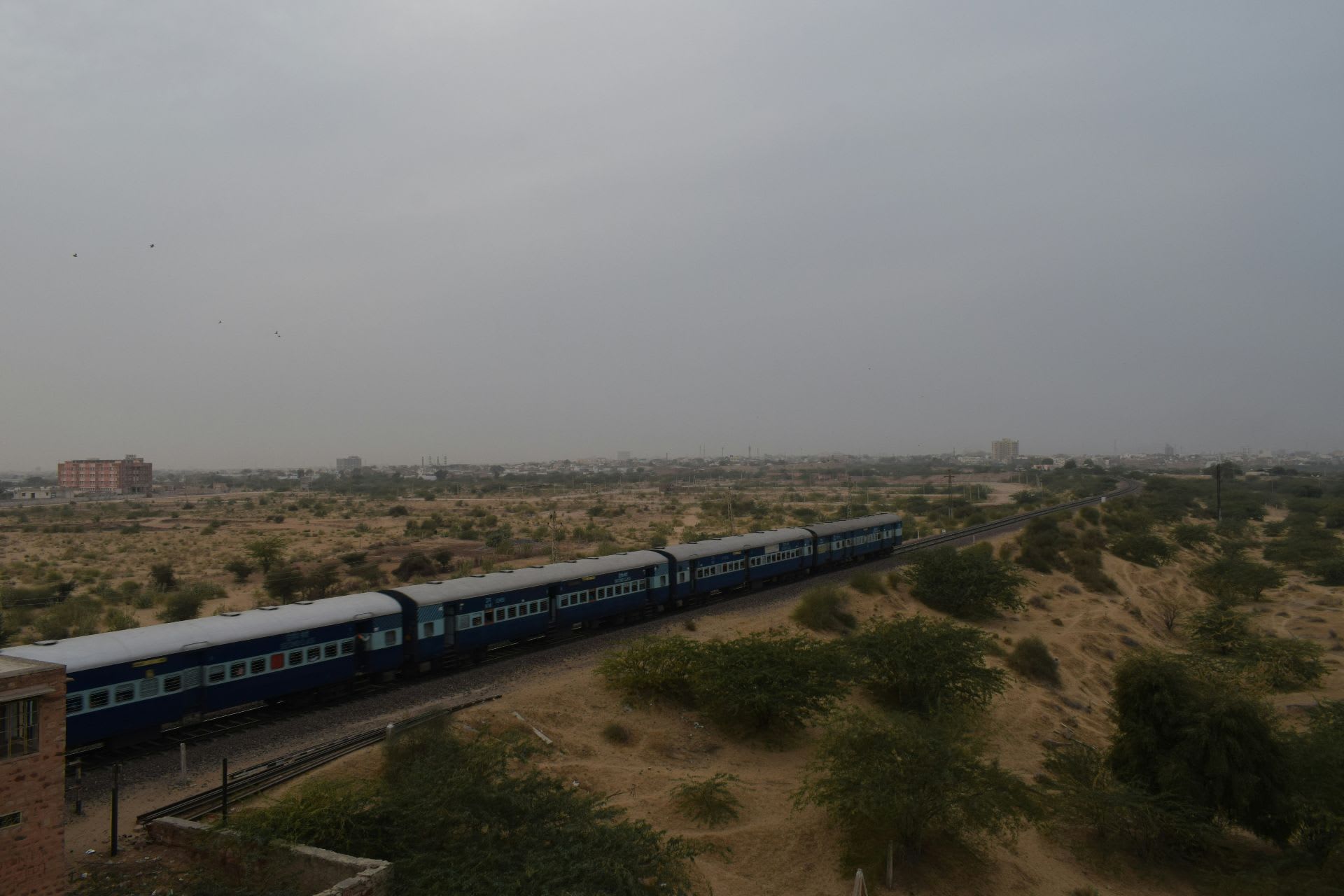
By Train: Bikaner is well-connected by rail. Major trains include the Bikaner Express from Delhi and direct services from Jaipur, Jodhpur, and Jaisalmer. The Bikaner Junction is centrally located.
By Road: National Highway 11 connects Bikaner to Jaipur (330 km, approximately 5–6 hours). State-run buses and private sleeper coaches operate regularly from Jaipur, Jodhpur, and Delhi.
Where to Stay in Bikaner
Bikaner offers accommodation options for all budgets:
Luxury: Laxmi Niwas Palace (a heritage hotel inside Lalgarh Palace complex), Gajner Palace Hotel
Mid-range: Bhanwar Niwas Heritage Hotel, Hotel Harasar Haveli
Budget: Hotel Sagar, Hotel Shree Ram, and several guesthouses near the railway station
Staying in a heritage haveli is highly recommended for the authentic Bikaner experience.
Best Time to Visit Bikaner
October to February is the ideal time to visit Bikaner, when the weather is cool and pleasant. The famous Bikaner Camel Festival takes place in January and is worth planning a trip around. Summers (April–June) are extremely hot and best avoided.
Final Thoughts
Bikaner is one of those rare Rajasthani cities that rewards the curious traveller with something genuinely unexpected at every turn, from the sacred chaos of the Karni Mata Temple to the majestic silence of Junagarh Fort, from the earthy scent of a working camel farm to the crunch of freshly fried bhujia. It sits slightly off the popular "Golden Triangle" tourist trail, which means you will find it more authentic, less crowded, and more soul-stirring than many of its famous neighbours. If you are planning a Rajasthan road trip, make Bikaner a non-negotiable stop. You will not regret it.
Frequently Asked Questions (FAQs)
Q1. Why is Bikaner called the Camel City of Rajasthan?
A. Bikaner is home to the National Research Centre on Camel and has historically been a major breeding ground for the Bikaneri camel breed. The city's camel culture, annual Camel Festival, and camel-based trade have earned it this iconic title.
Q2. Is the Karni Mata Temple safe to visit?
A. Yes, the Karni Mata Temple is completely safe. The rats are well-fed and non-aggressive. Devotees and tourists visit daily without any issue. It is advisable to wear socks and keep your belongings secure.
Q3. What is the entry fee for Junagarh Fort?
A.The entry fee is approximately ₹50 for Indian nationals and ₹300 for foreign tourists, with an additional camera fee. Timings are 10:00 AM to 4:30 PM.
Q4. Can I do a day trip from Jaipur to Bikaner?
A. Bikaner is about 5–6 hours from Jaipur by road, making it more suitable as an overnight stay rather than a day trip. At least 2 nights are recommended to explore the city well.
Q5. What is the best souvenir to buy from Bikaner?
A. Bikaner Bhujia (namkeen) is the most iconic and popular souvenir. Packaged boxes are available at shops across the city and are easy to carry back home.
Q6. Is Bikaner good for solo travellers?
A. Absolutely. Bikaner is generally safe, friendly, and well-equipped for solo travel. The locals are warm, accommodation options are plentiful, and the sights are easily accessible by auto-rickshaw or taxi.
Planning a trip to Rajasthan? Read our guides on Jaisalmer, Pushkar, and Jodhpur for more travel inspiration.

Around the world with Vikash Dakha
View full profile →Hello, I’m Vikash Dhaka, a passionate travel blogger exploring the royal beauty of Rajasthan. On Camelthar, I share practical travel guides, hotel recommendations, shopping tips, and hidden gems to help travelers plan unforgettable trips. My goal is to make Rajasthan travel a simple, authentic, and unforgettable experience.