
Best Time to Visit Pushkar: A Month-by-Month Honest Guide

Pushkar is one of those rare places in India that never fully lets you go. Nestled in the Aravalli hills of Rajasthan, this small holy city wraps around a serene lake, hums with temple bells, and opens onto a sprawling desert landscape that feels almost otherworldly. Whether you're travelling from Ajmer to Pushkar (just 14 kilometres away), hunting for budget stays in Pushkar, or counting down the days to the legendary Pushkar Fair, the timing of your visit makes all the difference.
This guide cuts through the vague advice and gives you a straight, month-by-month breakdown of what to actually expect in Pushkar city, Rajasthan.
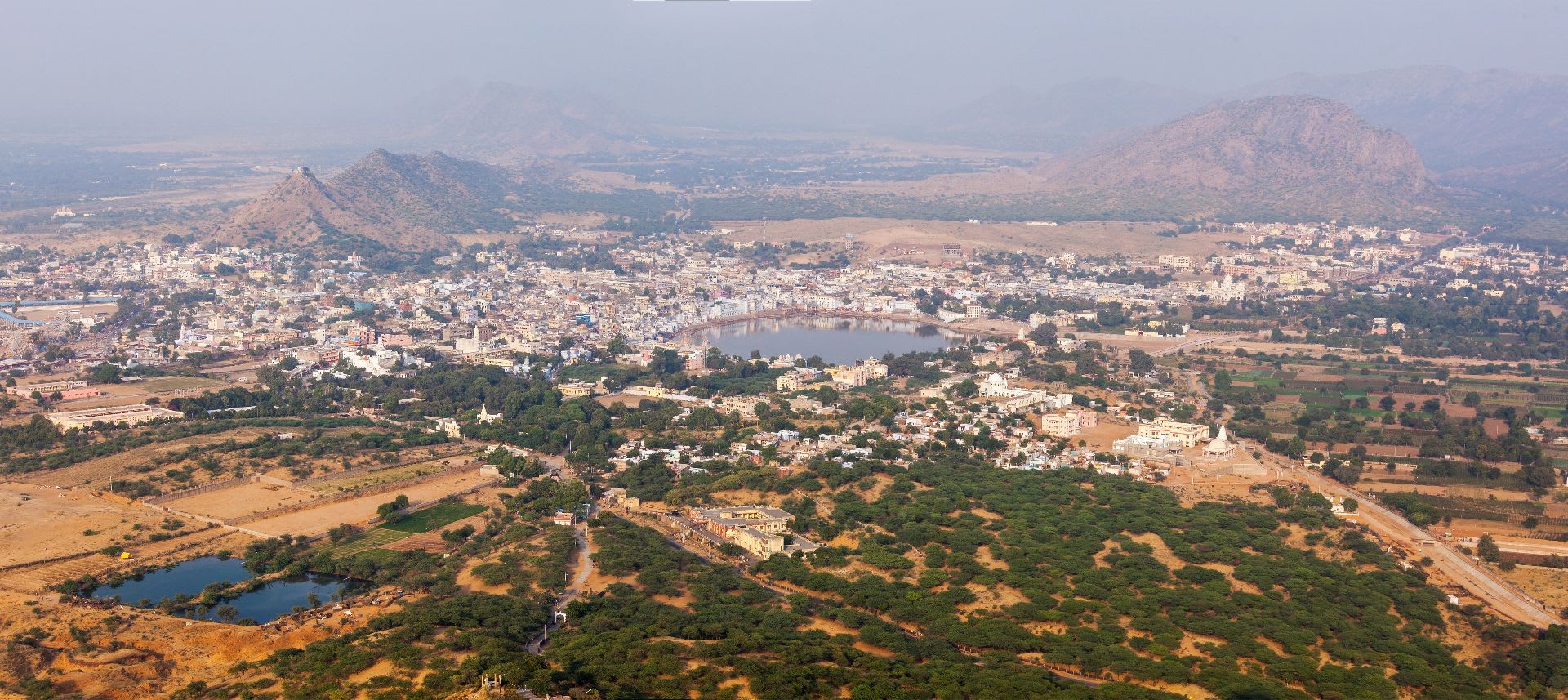
A Quick Look at Pushkar's Climate
Pushkar sits in a semi-arid zone. Summers are brutal, monsoons are mild but humid, and winters are cool and golden. The desert around Pushkar is not a classic rolling dune desert; it is a dry, open scrubland that gives the region its raw, earthy character. The lake in Pushkar (Pushkar Lake, one of the holiest in India) can shrink considerably in summer and look its most beautiful during and just after the monsoon.
Month-by-Month Guide to Visiting Pushkar
January: Cool, Calm & Comfortable
January is an excellent time to be in Pushkar, Rajasthan. Daytime temperatures hover around 15–22°C, and evenings can dip to 6–8°C, so carry a light jacket. The post-fair crowd has thinned out, resorts in Pushkar-Rajasthan, offer better rates, and the lake in Pushkar glows in the winter light.
February: Possibly the Best Month Overall
Mild temperatures (18–25°C), blooming wildflowers on the hillsides, and a relaxed atmosphere make February arguably the finest time to visit Pushkar. The famous Brahma Temple sees steady footfall from Indian pilgrims.
March: Still Good, Getting Warmer
Early March is still pleasant. By mid-March, heat starts building, but it is nothing unmanageable. A good time for budget travellers as room prices stay moderate. Holi falls in March, and Pushkar celebrates it with extraordinary colour.
April: Getting Tough
Temperatures climb to 35–38°C. Exploring places of interest in Pushkar like the ghats, the Savitri Temple, and the desert outskirts, becomes uncomfortable after 10 AM.
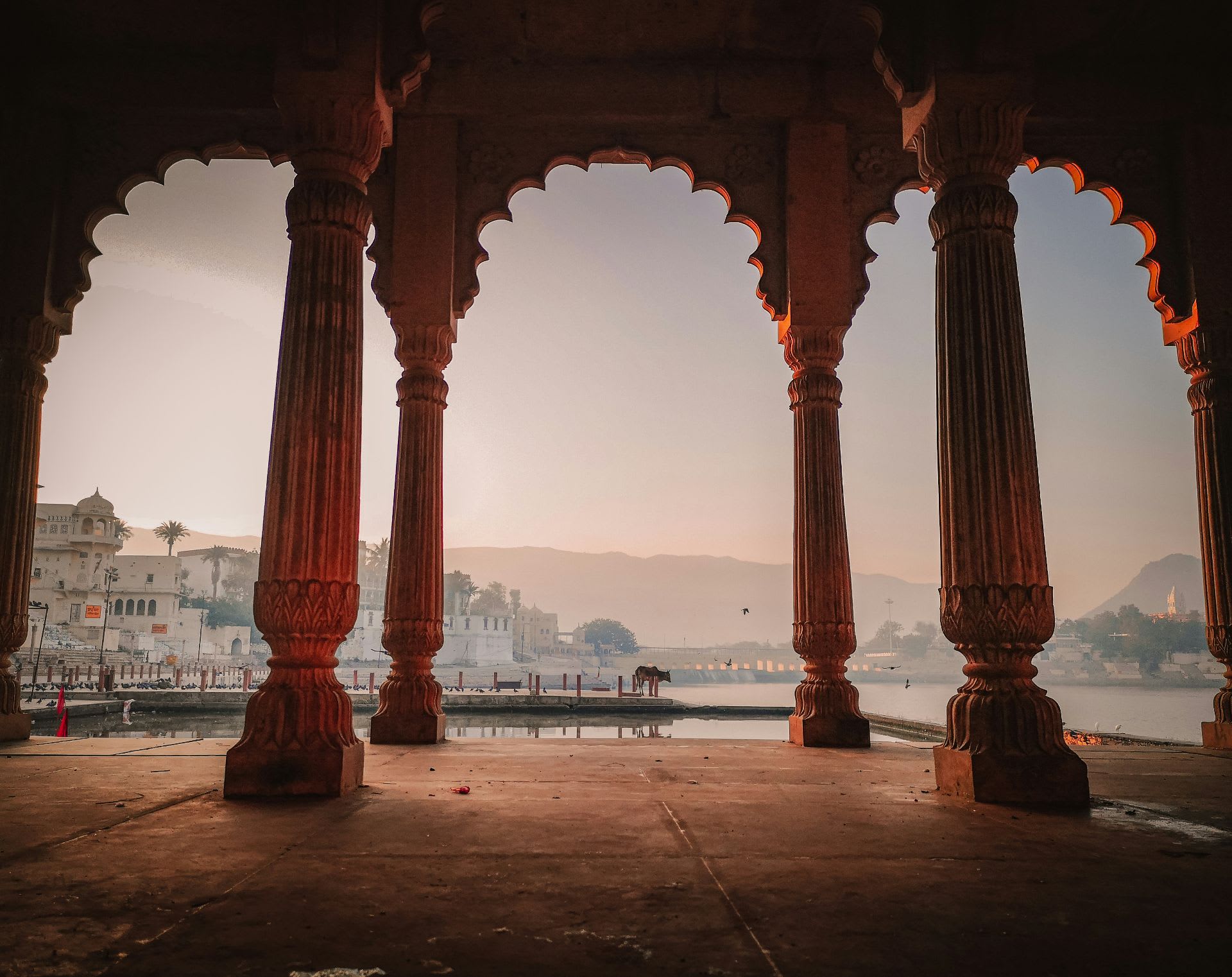
May: Avoid if Possible
May is genuinely hot — often crossing 42°C. The desert in Pushkar bakes. The lake water level drops. Most serious travellers skip this month.
June: Pre-Monsoon Heat
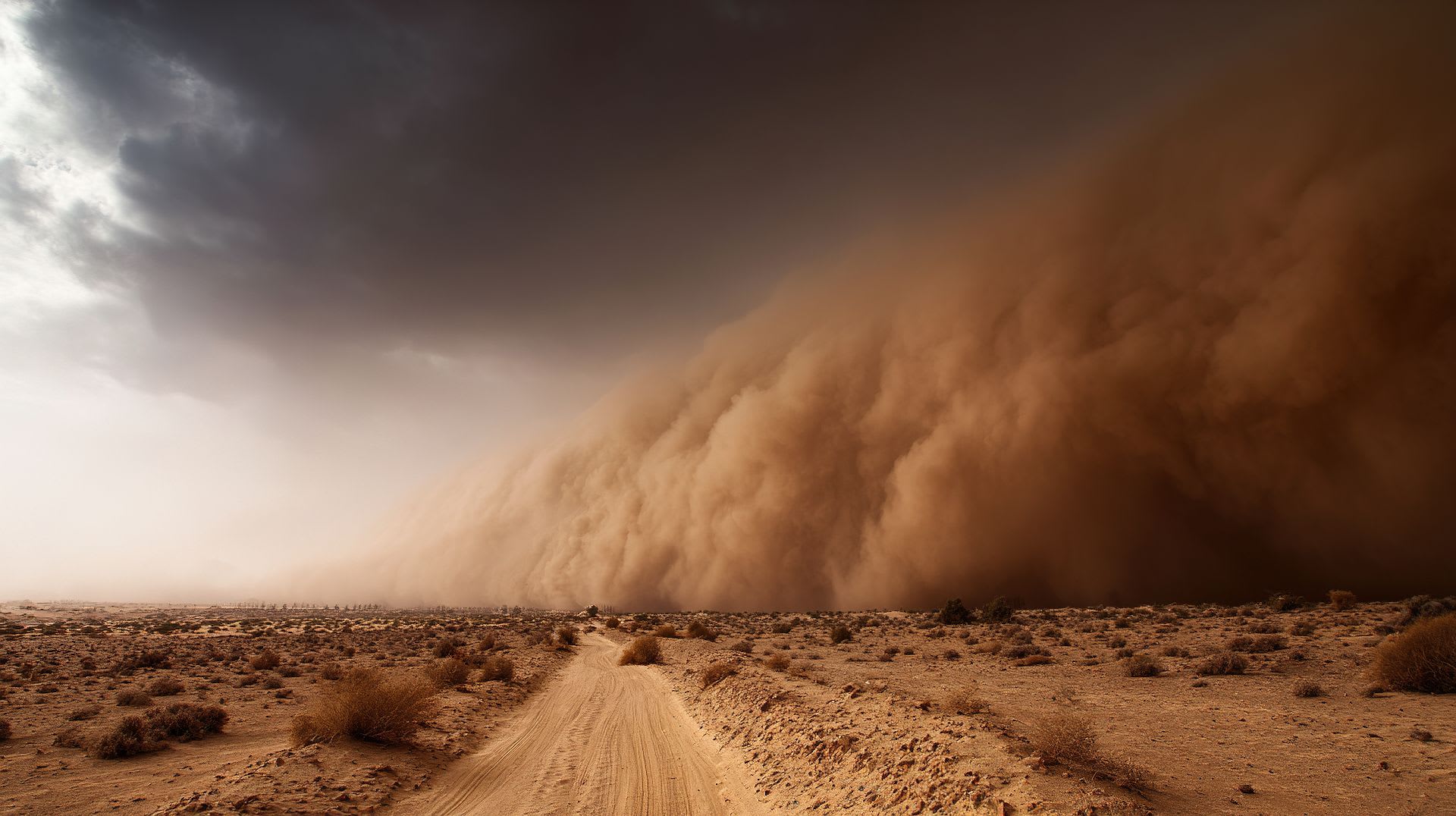
Similar to May, June is harsh. Dry winds sweep across the desert in Pushkar, and visibility can drop during dust storms (andhi). Some guesthouses near the lake offer significantly reduced rates, but comfort comes at the cost of the weather.
July: Monsoon Arrives
The rains bring relief. Pushkar receives moderate rainfall compared to coastal India, but the landscape transforms beautifully. The lake in Pushkar begins to fill up. The desert area turns a surprising shade of green. Roads from Ajmer to Pushkar can get slippery.
August: Monsoon Peak, Surprisingly Scenic
Rain is more regular now. The Pushkar Lake fills up, and the ghats look stunning in the early-morning light. Crowds are minimal. Prices are low across resorts in Pushkar, Rajasthan. If you do not mind the occasional heavy shower, August can be a surprisingly rewarding and pocket-friendly time to visit Pushkar.
September: Transition Month
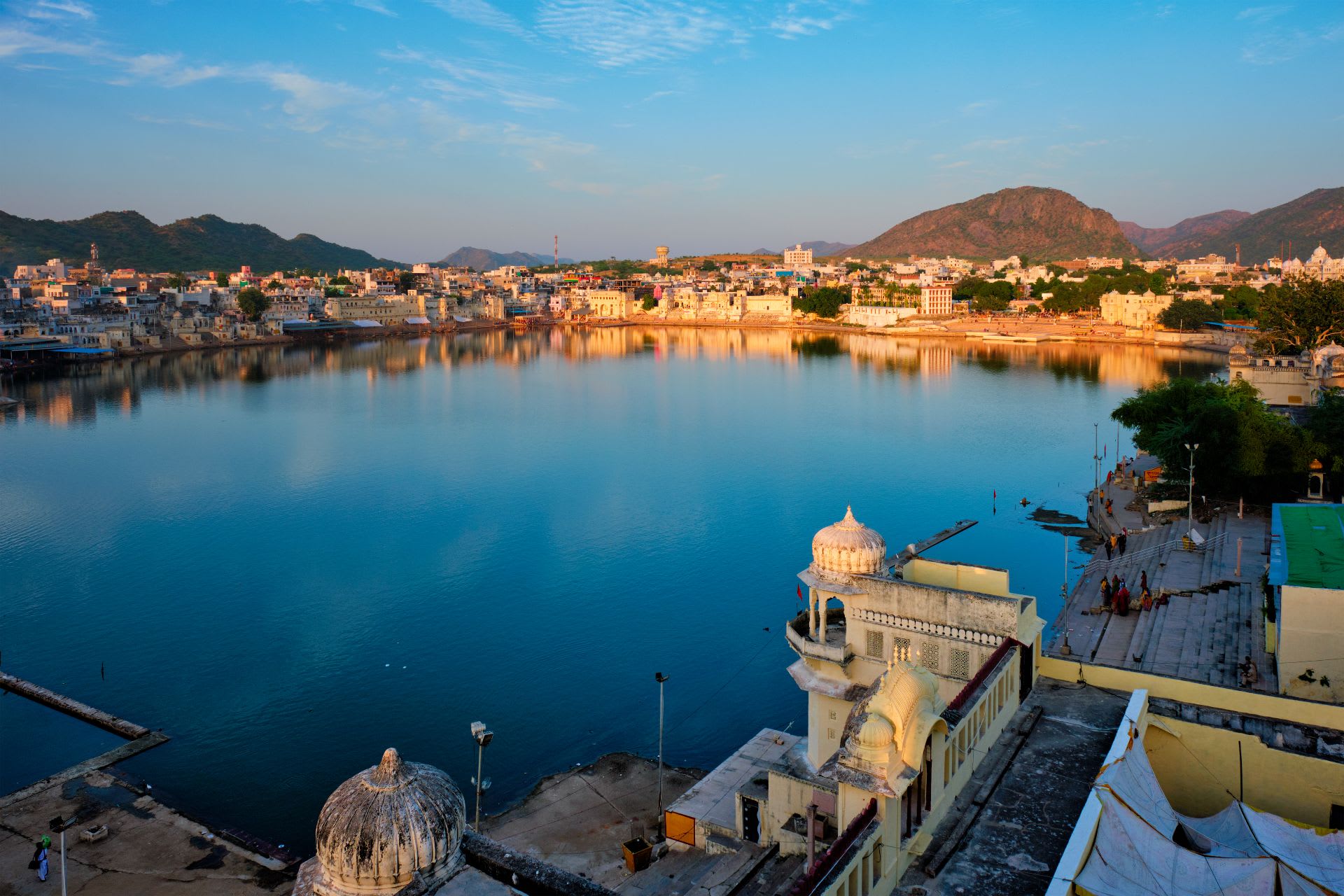
The rains retreat, the weather starts cooling, and the landscape is still lush. September is underrated as a travel month for Pushkar in Rajasthan. The lake is full, and the desert in Pushkar is green at its edges. A great option for photographers and solo travellers.
October: Build-Up to the Fair
October marks the beginning of peak season. The weather is ideal; 25–32°C during the day, and comfortable evenings. Camel herders start moving toward Pushkar from various parts of Rajasthan in preparation for the fair. If you want to witness the gradual build-up of the Pushkar Fair India atmosphere, this is the best time for you to plan your trip to Pushkar.
November: Pushkar Fair Month
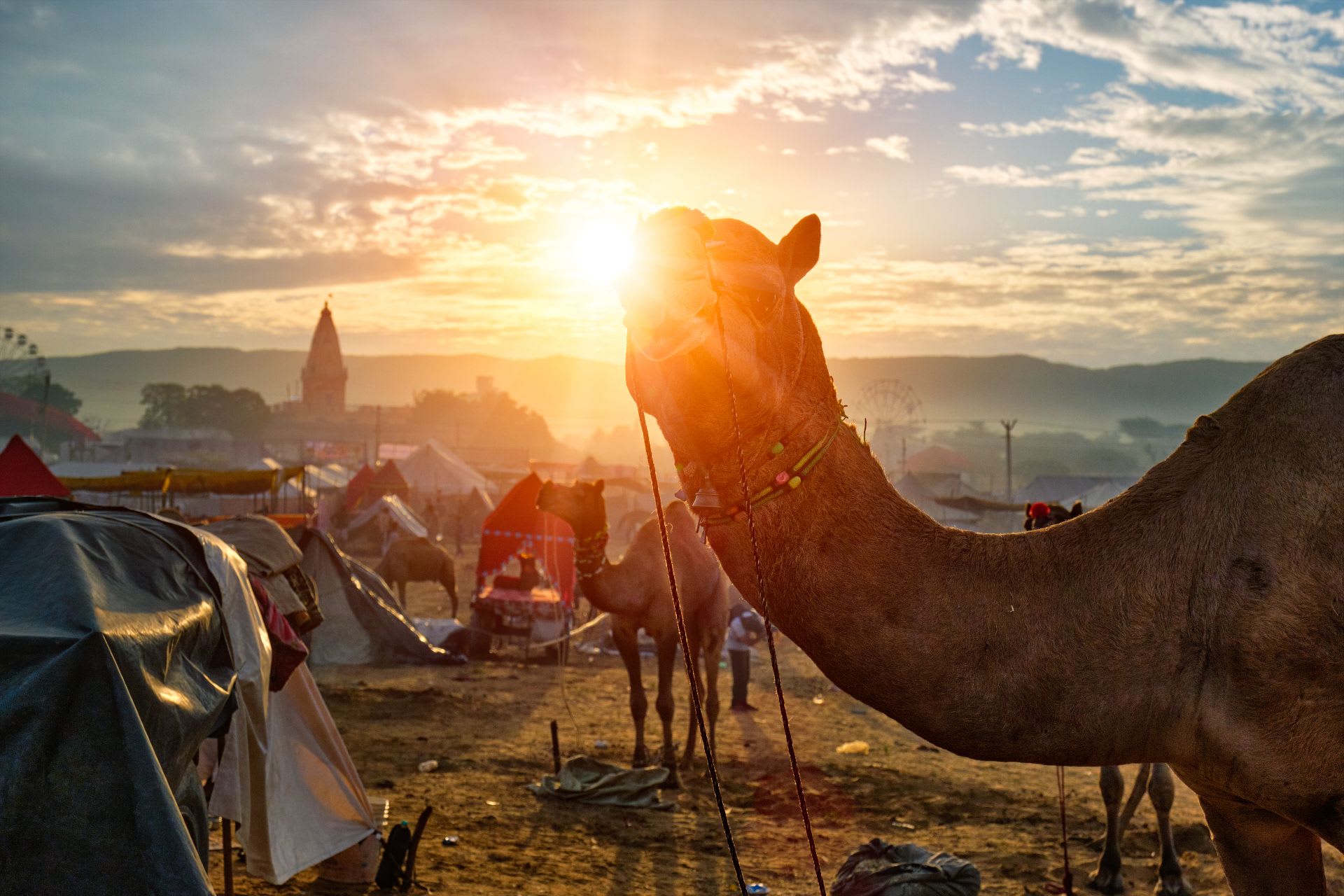
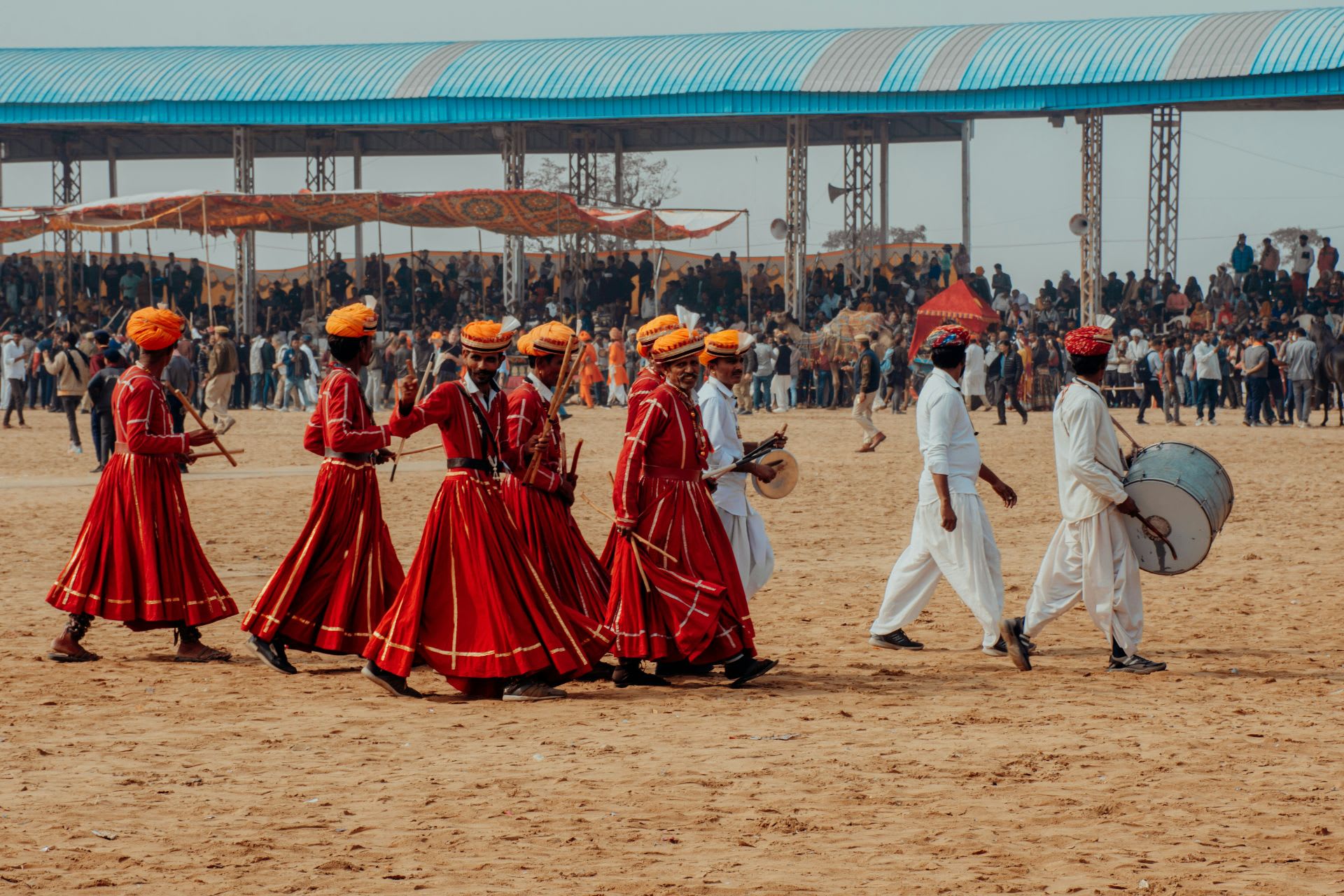
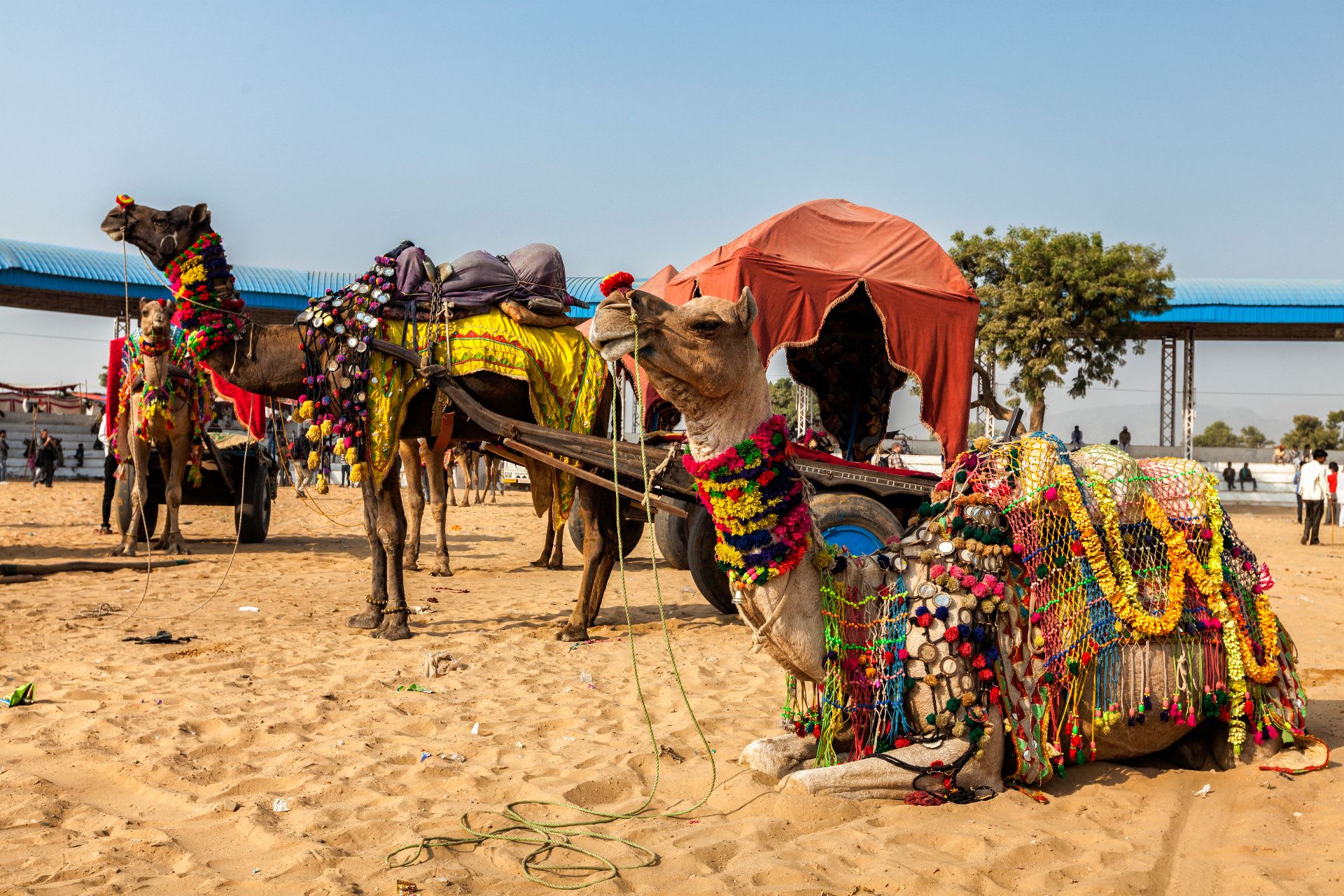
This is the month everyone talks about. The Pushkar Fair (Pushkar Mela), officially known as the Kartik Mela, transforms Pushkar into one of the most fascinating spectacles in Asia. Held over five days around the Kartik Purnima full moon (usually mid-November), it draws tens of thousands of camels, horses, livestock traders, folk performers, pilgrims, and travellers from across the world.
The camel fair in Pushkar is the world's largest camel fair. The sight of thousands of camels in Pushkar against the desert backdrop at sunrise is genuinely unforgettable. You can book a camel ride in Pushkar through a licensed operator or through your guesthouse — rates vary from ₹200 for a short ride to ₹1,500+ for a longer sunset desert experience.
Fair aside, November weather is perfect — cool days, crisp nights. The Pushkar Fair in Rajasthan also features folk music, cattle races, and a midnight dip at the lake during Kartik Purnima. This is the defining Pushkar Fair India experience.
Important: Resorts in Pushkar, Rajasthan, get fully booked during the fair — sometimes months ahead. Budget camps near the fairground book out early, too. Plan well in advance and confirm your stay in Pushkar before finalising travel dates.
December: Post-Fair Calm with Great Weather
Once the fair wraps up, Pushkar exhales. December brings cool, dry days (18–26°C) and cold nights. It is one of the best months for a relaxed, unhurried visit, temples, the lake, the market lanes, a camel ride in Pushkar at sunset, and long evenings in rooftop cafes. Resorts in Pushkar, Rajasthan, offer competitive rates post-fair, and the town is genuinely pleasant to explore.
Travelling from Ajmer to Pushkar
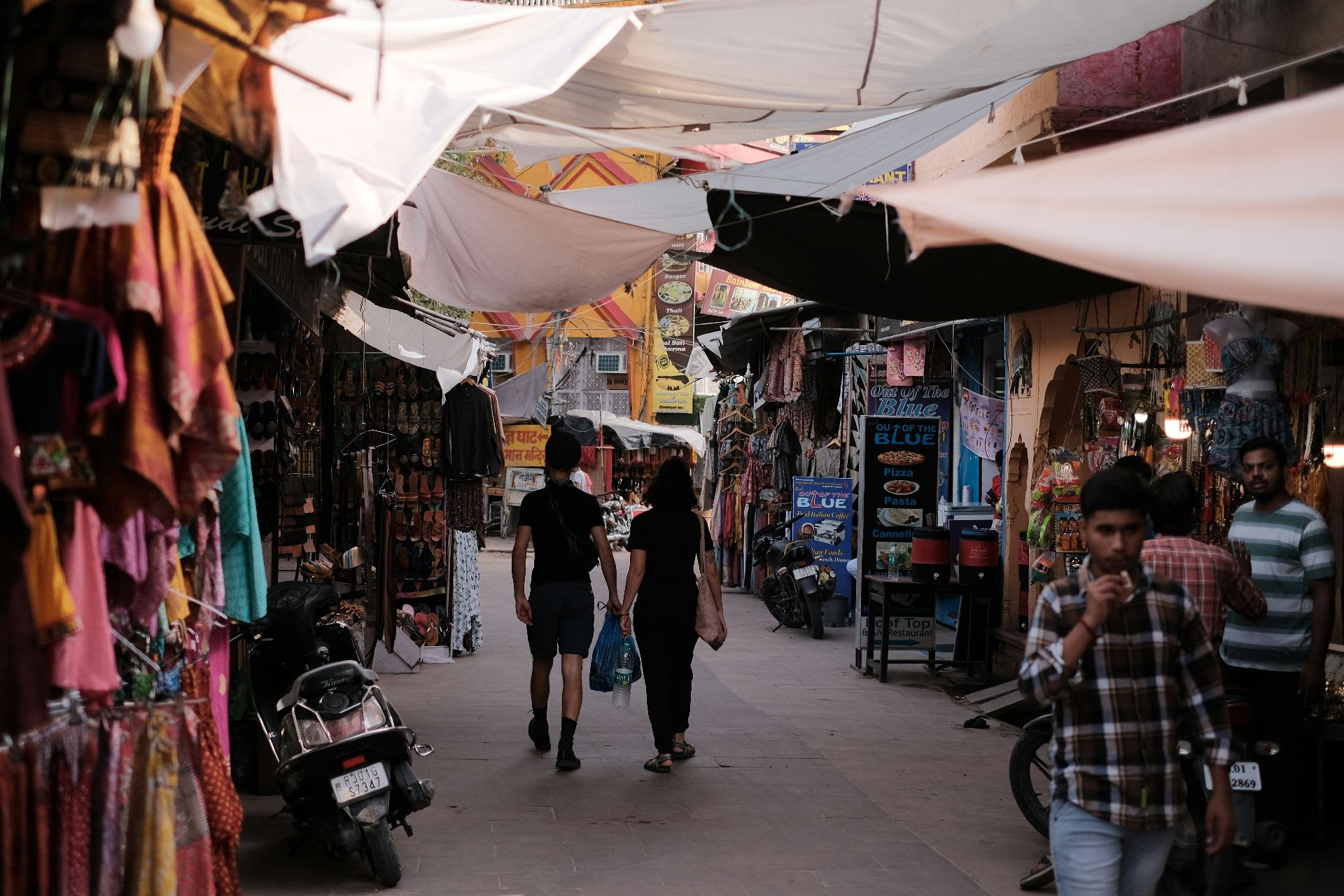
The drive from Ajmer to Pushkar takes around 30–40 minutes by road (14 km via the Nag Pahar pass). Shared autos and local buses run frequently. Ajmer has better rail connectivity, so most travellers land in Ajmer and make Pushkar their base for exploration of both cities. Pushkar is the better stay option — smaller, quieter, and far more atmospheric than Ajmer.
Places of Interest in Pushkar
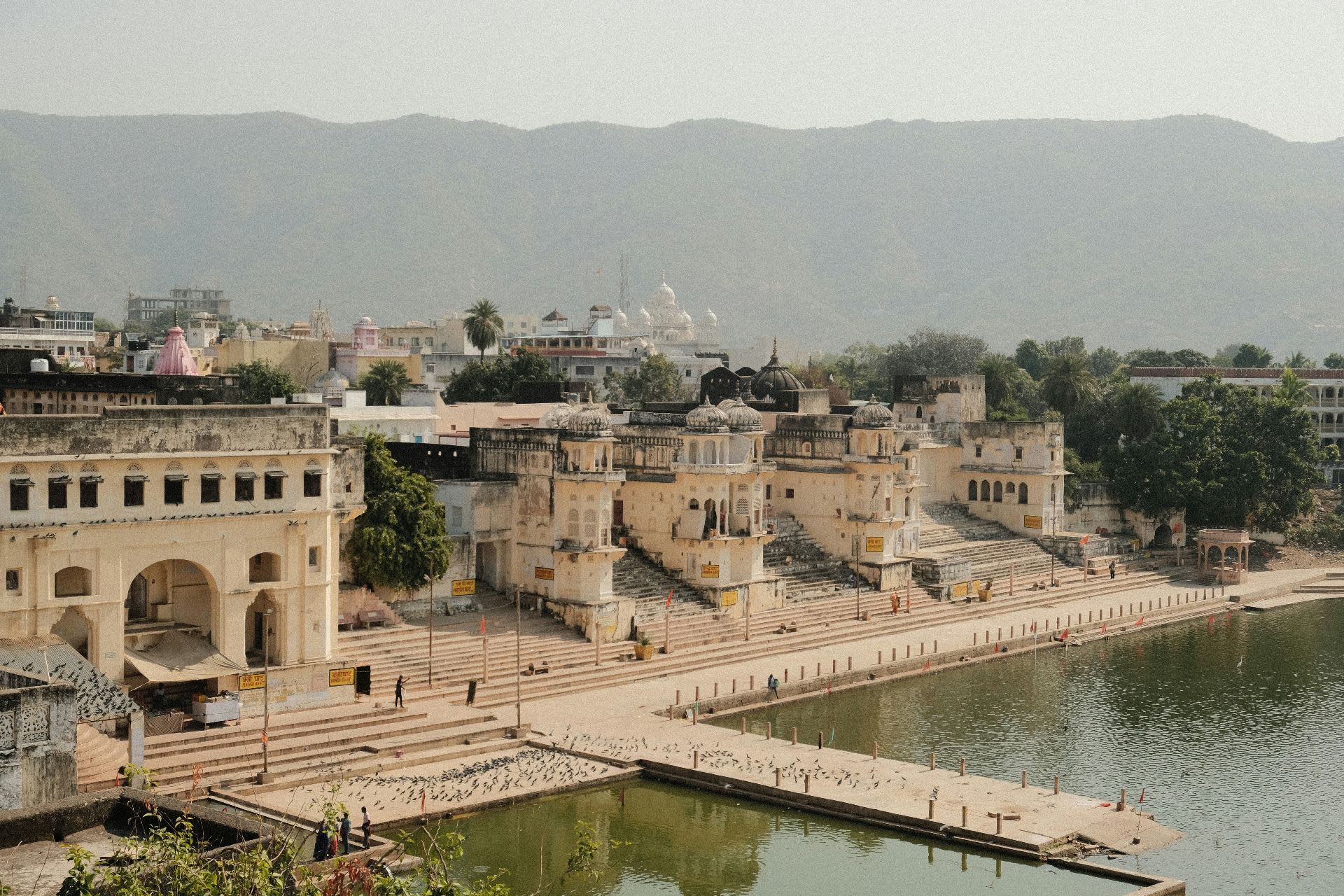
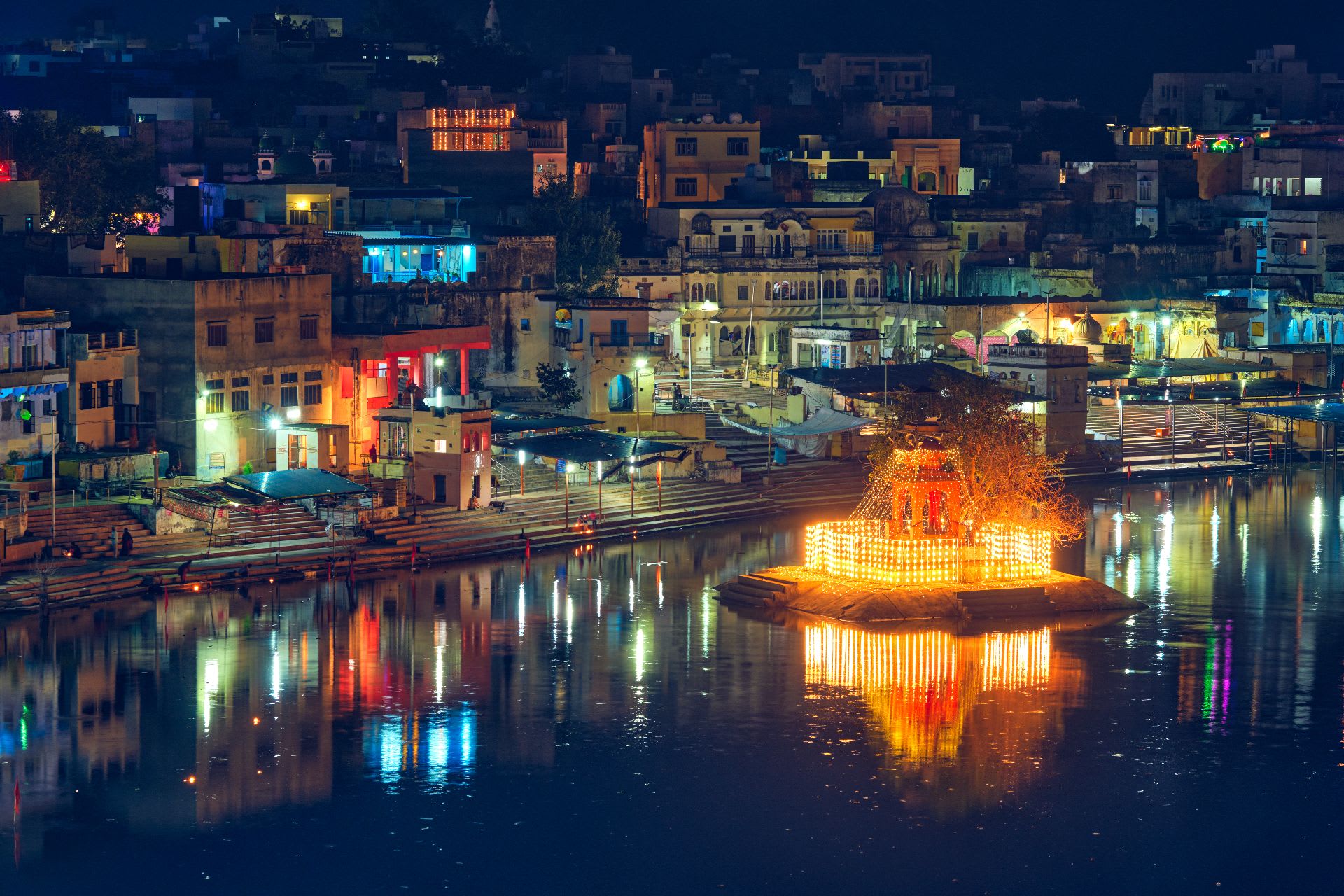
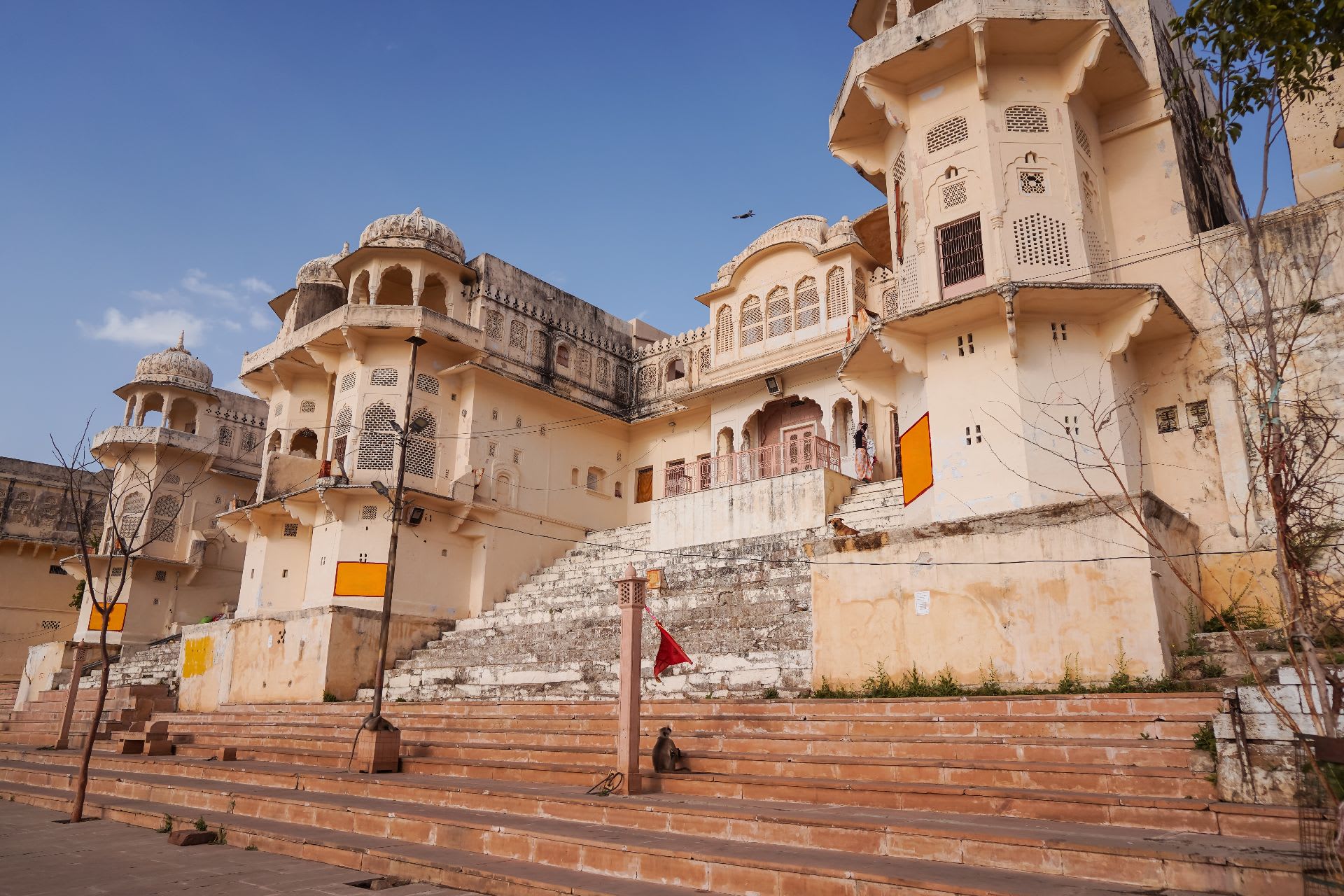
Beyond the lake and the fair, key places of interest in Pushkar include the Brahma Temple (one of the few in India), Savitri Temple (accessible by ropeway with panoramic views), Varaha Temple, Man Mahal, the 52 ghats along Pushkar Lake, and the weekly flea market. The desert in Pushkar — specifically the dunes near the fairground- offers camel safari experiences year-round.
Final Thoughts
Pushkar is not a destination you visit just once. It changes with the season — serene and spiritual in winter, alive and chaotic during the camel fair in Pushkar, quietly beautiful in the monsoon. The best time to visit is October through February, with November being the peak for the Pushkar Fair and February being ideal for those who prefer calm over crowds. Whatever month you land in Pushkar city, Rajasthan, give it at least two full days. One day is never enough.
FAQ
Q: When is the Pushkar Fair in 2026?
A.The Pushkar Fair 2026 is expected in early-to-mid November, aligned with the Kartik Purnima full moon. Exact dates vary each year based on the Hindu lunar calendar.
Q: How do I get from Ajmer to Pushkar?
A. By road, Ajmer to Pushkar takes around 30–40 minutes. Shared autos run from the Ajmer bus stand. Taxis and private cabs are also easily available.
Q: What is the best stay in Pushkar?
A. It depends on your budget. For budget travellers, guesthouses around the lake offer excellent value. For a more comfortable experience, several resorts in Pushkar-Rajasthan are located on the outskirts with desert views and pool access.
Q: Can I do a camel ride in Pushkar outside of the fair?
A. Yes. Camel rides in Pushkar are available year-round, especially near the desert/dunes area. November is just when the density of camels in Pushkar is highest due to the fair.
Want to explore Pushkar with a travel companion? Check out TharMate on CamelThar.com — find fellow travellers heading to Pushkar and plan your journey together.

Around the world with Vikash Dakha
View full profile →Hello, I’m Vikash Dhaka, a passionate travel blogger exploring the royal beauty of Rajasthan. On Camelthar, I share practical travel guides, hotel recommendations, shopping tips, and hidden gems to help travelers plan unforgettable trips. My goal is to make Rajasthan travel a simple, authentic, and unforgettable experience.